Why Is My Water Bill So High? 9 Causes Portland Homeowners Miss
Your Portland water bill just landed, and the number makes no sense. Portland bills every three months, so leaks hide for weeks. This guide covers the nine causes we check first, a 10-minute meter check, and the city’s leak adjustment.
Table of Contents
Portland has a trap that most cities do not. The Portland Water Bureau bills most homes once every three months. A leak can run for weeks before the bill even hints at it. By the time you see the damage, the water is long gone.
This guide walks through the nine causes we check first. You will learn which ones you can test yourself in minutes. You will also learn when a high water bill means a hidden leak. And you will see exactly what to do next, step by step.
First, Rule Out a Billing or Season Mistake
Not every high water bill means a leak. Three boring causes explain many surprise bills in Portland.
Your bill covers three months, not one. A quarterly bill always looks shocking next to monthly bills from other cities. Compare this bill with the same quarter last year, not with last month. Usage patterns repeat by season far more than by month.
Summer watering hides in the fall bill. Portland summers are dry, and gardens drink heavily from June to September. That water lands on the bill that arrives in the fall. A “sudden” spike often turns out to be your own irrigation.
Your sewer charge follows your water use. Portland bills sewer on the same statement as water. When water use climbs, the sewer part climbs with it. One leak therefore inflates both halves of the bill at once. That is why a modest leak can double the total so fast.
If none of those fit, a real cause is using water somewhere. The next section lists the nine places it usually hides.
The 9 Causes Behind a High Water Bill
Most high bills trace back to a short list of culprits. This table shows each cause, the sign it leaves, and the first check to run.
| Cause | Sign it leaves | First check you can run |
|---|---|---|
| Running toilet | Random flushing sounds, water ripples in the bowl | Food colouring in the tank; check the bowl in 20 minutes |
| Slab leak | Warm floor spot, damp carpet, running-water sound | Meter check with every tap off (steps below) |
| Underground service line leak | One soggy yard patch, greener grass strip | Meter check, then inspect the line path to the street |
| Irrigation leak | Bill spikes only in watering season | Run each zone and walk it; look for geysers and puddles |
| Dripping faucets and hose bibs | Visible drips, green stains, wet soil by the wall | Night walk-through with a flashlight |
| Water heater leak | Puddle at the base, rust, hissing | Look under and around the tank |
| Pool or spa leak | Water level drops faster than evaporation | Bucket test on the pool step |
| Hidden pipe leak in a wall | Musty smell, soft paint, mould spots | Meter check; feel walls near bathrooms |
| Guests, laundry and routine change | Spike matches a visit or a new baby | Compare dates before you panic |
Four of these deserve a closer look, because they fool Portland homeowners most often.
A Running Toilet Wastes More Than Any Other Cause
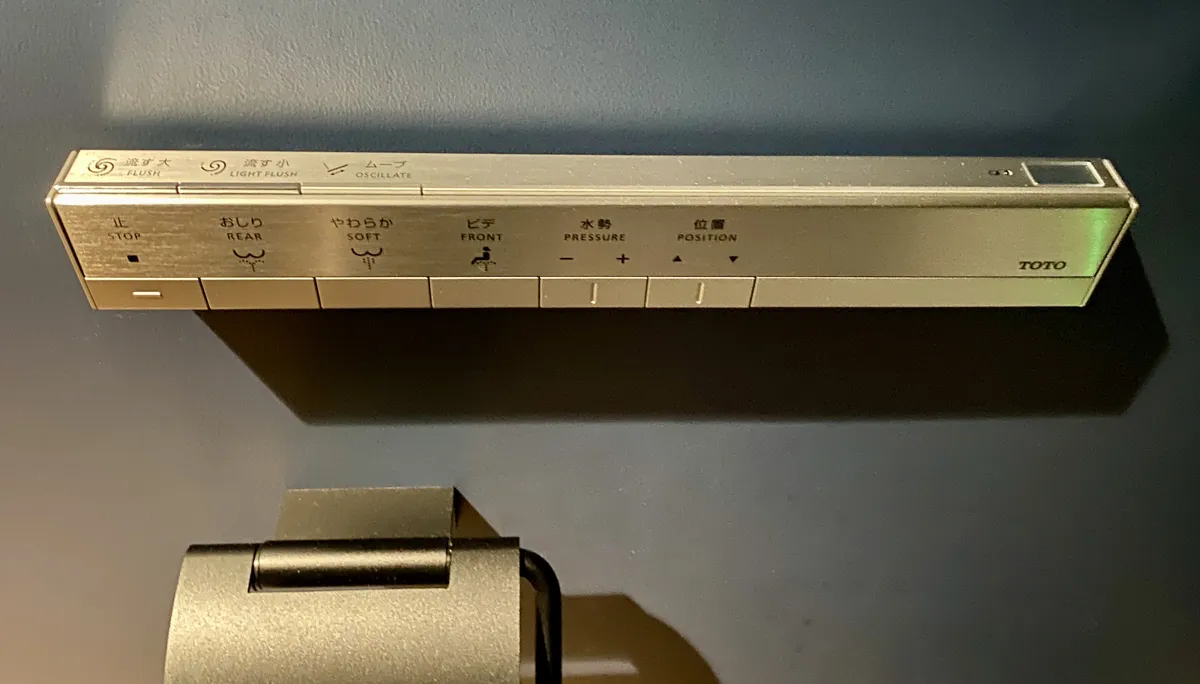
A toilet with a worn flapper leaks silently, day and night. The EPA estimates a running toilet can waste 200 gallons a day. Over one Portland billing quarter, that is roughly 18,000 gallons. You never hear it, and you never see a puddle.
The colouring test takes twenty minutes and costs nothing. Add food colouring to the tank and wait without flushing. If colour reaches the bowl, the flapper is leaking. A new flapper costs a few dollars at any hardware store.
Slab Leaks Hide Under Portland Floors
Many Portland homes built before 1990 sit on concrete slabs. The water lines under those slabs corrode and pinhole over decades. Water escapes into the ground, so no puddle ever appears upstairs. Your only warnings are the bill, a warm floor spot, or a faint water sound.
A slab leak can lose 300 to 500 gallons a day. It also keeps damaging the foundation while it runs. If your meter check points under the slab, skip the DIY stage. Pinpointing that leak takes acoustic equipment, not guesswork. Our slab leak detection service finds the exact spot before any concrete opens.
Underground Service Line Leaks Stay Invisible for Months
The service line runs from the street meter to your home. Portland soil shifts between the wet season and the dry season. That movement stresses old lines until a joint or a corroded section gives way. The water sinks into the soil instead of pooling on top.
Look for one patch of yard that stays green in August. Also check for soil that feels spongy along the line path. A line leak on your side of the meter is your repair bill. The responsibility question has its own guide on this blog soon.
Irrigation Leaks Only Show Up in Summer
A cracked irrigation line leaks only while the system runs. That pattern makes the bill spike in summer and settle in winter. Homeowners often blame the dry weather instead of the system. Walk every zone while it runs at least once each spring. A broken head can spray 15 gallons a minute into the soil.
Why Is My Water Bill So High With No Leak Visible?
This is the most common question Portland homeowners ask us. The honest answer is that “no visible leak” rarely means no leak. It usually means the leak hides where eyes cannot go. Toilets, slabs, crawl spaces and buried lines leak without a trace upstairs.
There is also a second possibility worth ruling out. Your meter itself may be old, or the Bureau may have estimated a read. Compare the read printed on your bill with the number on your meter. If the meter shows less than the bill claims, call the Bureau first. That call costs nothing and sometimes ends the mystery.
If the meter read is honest, water is moving somewhere. The meter check below settles the question in ten minutes.
The 10-Minute Meter Check That Settles It
You need no tools for this test, only your meter box. Portland meters sit near the curb, under a small ground lid. Follow these steps in order.
- Turn off every tap, appliance and irrigation zone in the home.
- Ask everyone not to flush or run water during the test.
- Open the meter box and find the small leak-indicator dial.
- Watch the dial for two minutes without touching anything.
- If the dial moves, water is flowing somewhere in your system.
- Note the meter numbers, wait one hour, and read them again.
- Any change with everything off confirms a hidden leak.
A moving dial with everything off never lies. It means water leaves your pipes between the meter and your taps. The leak may be small, but it is real and it is constant. From here, the question changes from “is there a leak?” to “where is it?”.
What a Small Leak Really Wastes
Small leaks sound harmless, so homeowners postpone them. The quarterly bill turns that delay into real money. The EPA’s WaterSense program tracks what common leaks waste.
| Leak | Water wasted | Over one 3-month bill |
|---|---|---|
| Faucet dripping once per second | About 8 gallons a day | About 750 gallons |
| Running toilet | 200+ gallons a day | 18,000+ gallons |
| Slab leak (typical) | 300–500 gallons a day | 27,000–45,000 gallons |
| Broken irrigation head | 15 gallons a minute while running | Depends on the schedule |
| Average home, all leaks combined | Nearly 10,000 gallons a year (EPA) | About 2,500 gallons a quarter |
Remember that Portland charges sewer on the same water. Every wasted gallon gets billed twice, once as water and once as sewer. Portland’s combined rates are also among the highest of any large US city. That mix is why a “small” leak produces such an ugly bill here.
Found the Cause? Do These Three Things Next
Fix the simple causes today. A flapper, a washer or a hose seal costs a few dollars. Fix it, then note the date and keep your receipts. You will want that paper trail for the next step.
Ask the Water Bureau for a leak adjustment. After a leak is repaired, Portland Water Bureau customers can request an adjustment. City staff check your meter to confirm the leak is really fixed. Start the repair within 30 days of the Bureau’s high-use notice. Underground and outdoor leaks get one adjustment in any 12 months. Income-qualifying homeowners can also ask about the Home Water Leak Repair Program.
Call a specialist when the meter moves but nothing shows. That pattern means the leak sits under a slab, a wall or the yard. Guessing leads to torn floors and wasted weekends. Professional detection finds the spot first, so the repair stays small. Book a visit and get a flat fee confirmed before anyone starts.
Think Your Leak Is Hiding? Get It Pinpointed.
A high water bill with a moving meter almost always means a hidden leak. Professional detection finds the exact spot before any floor opens. See our Portland leak detection cost guide for exact ranges, then book with a flat fee confirmed upfront.
Frequently Asked Questions
The questions Portland homeowners ask most about a high water bill.
Is $100 a month a high water bill?
For Portland, not really. Most Portland homes pay quarterly, so a typical bill can top $300. That equals $100 a month before any leak exists. Portland’s combined water and sewer rates sit among the highest in the country. Judge your bill against the same quarter last year instead.
Why is my water bill high all of a sudden?
A sudden jump with no routine change usually means a new leak. The most common starters are a worn toilet flapper and a cracked irrigation line. A service line break can also start overnight after soil shifts. Run the meter check above to confirm water is moving.
Why has my water bill doubled?
Doubling usually means a constant leak met Portland’s quarterly billing. Three months of a running toilet or slab leak lands on one statement. The sewer charge doubles too, because it follows your water use. Find and fix the leak first, then request a leak adjustment.
Will Portland Water Bureau lower my bill after I fix a leak?
Often, yes. The Bureau offers leak adjustments for repaired leaks. City staff check your meter to confirm the leak is fixed. Start repairs within 30 days of the Bureau’s high-use notice. Underground and outdoor leaks get one adjustment per 12 months. Apply by phone or email once the repair is done.