
Pool & Spa Leak Detection
Pool and Spa Leak Detection in Portland, OR
Your pool keeps dropping. First, find out why.
Pool leak detection in Portland starts with one honest question. Is this water loss a leak, or just evaporation? Our pool and spa leak detection work answers that first. Then we pinpoint the exact spot where water escapes. Portland rain can hide a leak for weeks. This page shows the signs, tests, and next step.
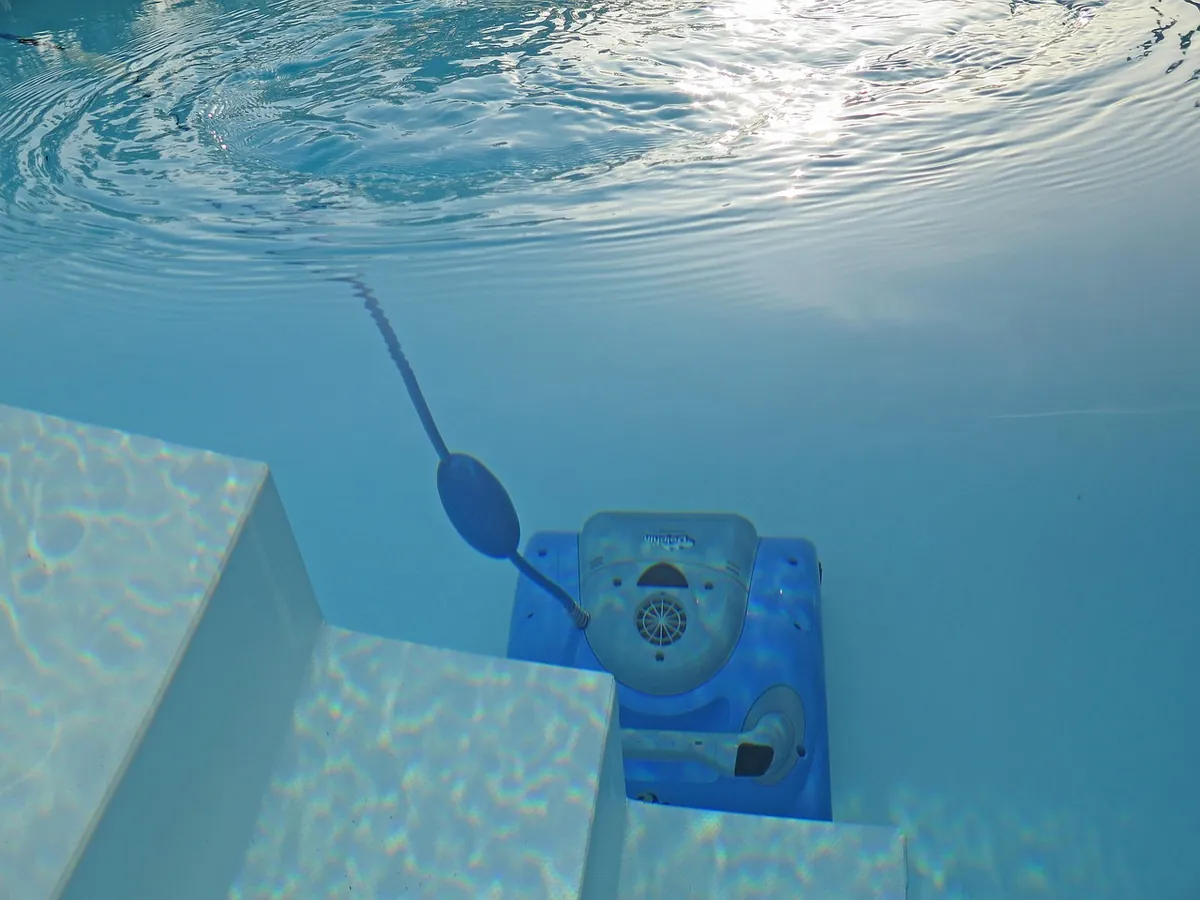
Bucket test confirms leak or evaporation
Dye testing pinpoints fittings and cracks
Pressure testing isolates buried pool lines
One marked spot and clear findings
Signs Your Pool or Spa Is Leaking, Not Just Losing Water
One sign alone does not prove a leak. Two or more together should trigger testing.
Water-Level Signs: Dropping Faster Than Weather Explains
Your pool drops faster than weather explains. Your auto-fill runs often or never stops. That auto-fill quietly replaces lost water. It also dilutes your pool chemicals steadily.
Air Bubbles in the Pump Basket and a Pump That Loses Prime
Air bubbles appear inside the pump basket. The pump loses prime or struggles starting. These signs often point to the suction side.
Wet, Soft or Sinking Ground Near the Pool
Ground near the pool or pad feels wet. Soil feels soft or starts sinking. Escaping water erodes soil under decks. Wet ground during dry days deserves checking.
Chemicals That Will Not Hold and Cracks at Fittings
Your chlorine and chemistry will not hold steady. Fresh water keeps diluting the pool balance. Cracks or gaps appear near fittings.
Why Is My Pool Losing 2 Inches of Water a Day?
Two inches a day points to a leak, not weather. Treat it as a leak until testing says otherwise. General guidance puts normal evaporation near a quarter inch daily. Do not wait and watch at that rate.
What Normal Evaporation Looks Like — and What It Does Not
Evaporation rises with heat, wind, and sun. Heated, uncovered water loses more daily. Loss tracks weather and slows when cool. Evaporation never soaks ground or bubbles pumps.
Portland Rain Makes the Level Lie
Rain adds water while a leak removes it. A steady level can hide real leakage. Read levels over days, not hours. Pool leak detection in Portland begins with this comparison.
| What you observe | More likely evaporation | More likely a leak |
|---|---|---|
| Daily level drop | Small, tracks hot weather | More than weather explains |
| Bucket test, 24 hours | Pool and bucket drop equally | Pool drops more than bucket |
| Pump on versus off | Loss rate stays same | Worse pump on, or off |
| Rain during test | Rain raises both levels | Loss continues, wet or dry |
| Auto-fill and chemicals | Auto-fill quiet, chemistry holds | Auto-fill runs, chemistry fails |
| Around the pool | No new wet spots | Wet, soft, sinking ground |
What Is the Easiest Way to Find a Leak in My Pool? Start With the Bucket Test
The easiest first step is the bucket test. It confirms a leak but cannot pinpoint it. You need a bucket, marker, and 24 hours. Pick a dry day where possible.
Bucket Test, Step by Step
01
Place a bucket on the first step.
02
Fill it until partly submerged.
03
Match bucket water to pool level.
04
Mark the level inside the bucket.
05
Mark the pool level outside it.
06
Turn the auto-fill completely off.
07
Wait a full 24 hours.
08
Compare both marks next day.
Equal drops mean evaporation likely explains loss. A bigger pool drop means likely leakage. Keep your numbers for the visit.
Run It Twice: Pump On, Then Pump Off
Run the comparison once with pump on. Then run it again with pump off. Worse loss pump on suggests pressure plumbing. Worse or equal loss pump off suggests suction or shell.
When the Bucket Test Cannot Decide
Rain makes results unreliable, so repeat them. Splash-out and heated spas also distort readings. Our Bucket-Test Tracker below records both runs.
How Do You Find Where a Pool Is Leaking? How Professional Pool Leak Detection in Portland Pinpoints It
Professionals follow a staged order on every pool. First, confirm the leak exists. Next, isolate which part loses water. Then pinpoint the exact fitting or line. Pool leak detection in Portland never starts with digging.
STEP 1 — CONFIRM AND ISOLATE
Confirm and Isolate
We start with your bucket test results. Pump patterns narrow the search zone quickly. We also inspect the equipment pad closely.
STEP 2 — DYE TESTING
Dye Testing at Fittings and Cracks
We turn the pump off until water stills. Then we release dye near suspect spots. Dye drawn into a gap reveals leakage. Standard spots include skimmer throat and light niche. Returns, main drain, and cracks count too.
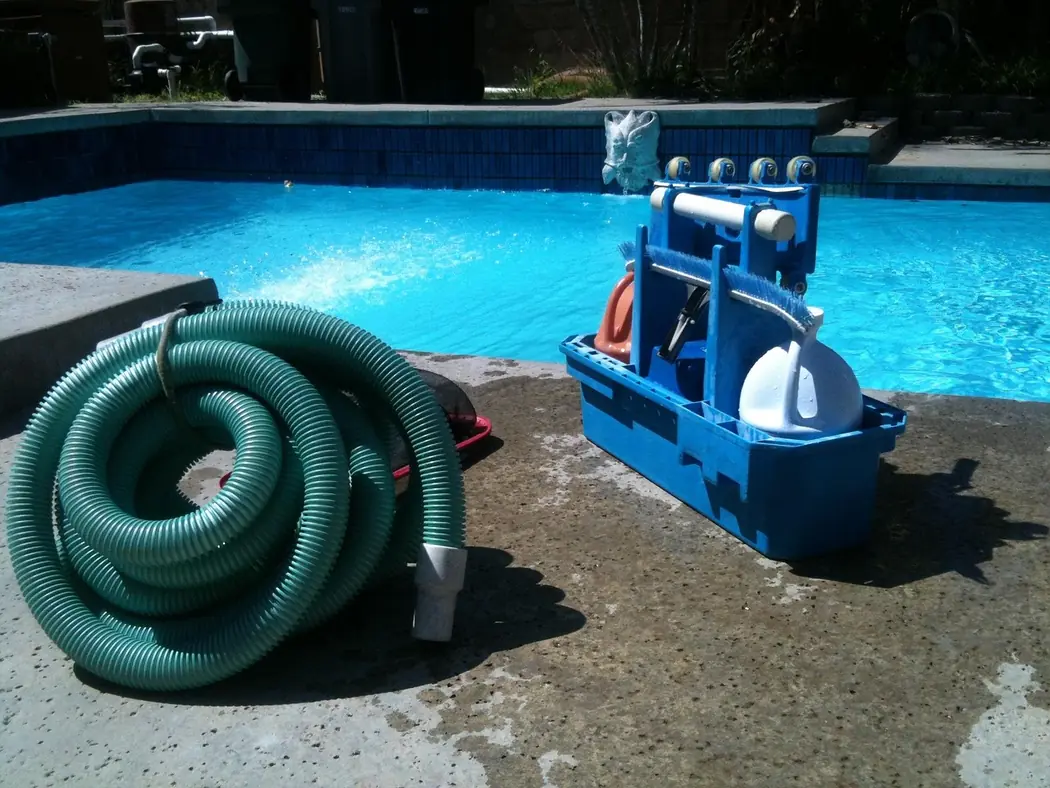
STEP 3 — PRESSURE TESTING
Pressure Testing the Suction and Return Lines
We isolate each plumbing line separately. We plug and carefully pressurise that line. A line that cannot hold pressure leaks. This is professional work, not casual DIY. Over-pressurising PVC pipe can damage it.
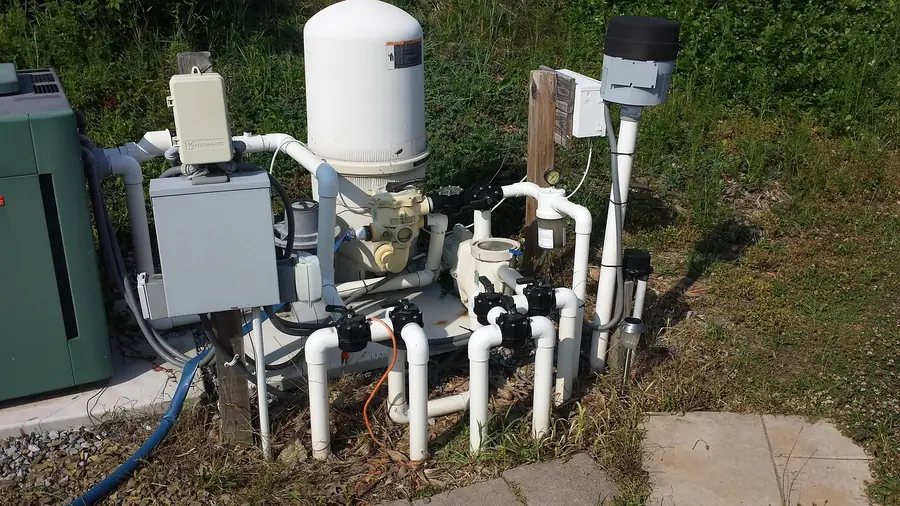
STEP 4 — MARKED SPOT AND FINDINGS
Marked Spot and Findings
You receive one marked spot, not vague suspicion. We explain what each test proved, plainly. Detection usually needs no full drain. Most pools stay filled while we test.
| Method | What it confirms or isolates | Best for | Who does it |
|---|---|---|---|
| Bucket test | Leak versus evaporation only | First confirmation | Homeowner or professional |
| Pump on/off isolation | Pressure, suction, or shell side | Narrowing the zone | Guided homeowner or professional |
| Dye testing | Exact fitting or crack | Skimmer, light, returns, drain | Professional, mostly |
| Pressure testing | Which buried line fails | Suction and return lines | Professional only |
Where Pool Leaks Hide: The Parts That Fail First
Most pool leaks hide at fittings, not open water. Watch where the falling level stops. That height points at the suspect fitting.
Skimmer Throat and Skimmer Body
Separation at the skimmer throat is very common. Seasonal movement stresses this joint yearly. Loss often slows near skimmer height. Dye testing settles the suspicion quickly.
Light Niche and Its Conduit
Pool lights sit inside a niche behind waterline. Gaskets age and seals break down there. Loss slowing near light height points here.
Return Fittings, Main Drain and Buried Lines
Return fittings leak more under pump pressure. Buried suction lines crack in saturated soil. Pressure testing separates these lines individually.
Pool Shell, Plaster and Liner
Shells develop stress fractures over seasonal cycles. Plaster cracks and liner seams also leak. Loss stays similar, pump on or off.
Equipment Pad: Pump, Filter, Heater, Valves and Unions
Pad leaks drip where parts join together. Pump seals weep as they wear out. Unions loosen and valve stems drip. A damp pad during dry weather speaks loudly.
| Pool part | Sign to look for | Likely test next |
|---|---|---|
| Skimmer throat and body | Loss slows near skimmer height | Dye test at throat |
| Light niche | Loss slows near light height | Dye test at niche |
| Return fittings | Bubbles, loss worse pump on | Dye, then pressure test |
| Main drain, suction line | Pump loses prime, air present | Pressure test suction line |
| Shell, plaster, liner | Visible crack, steady loss | Dye test at crack |
| Equipment pad | Damp pad, weeping union | Inspection, then isolation |
| Spa jets and cabinet | Loss worse with jets on | Jet, union inspection |
Spa Leak Detection in Portland: Attached Spas and Hot Tubs
Spas lose water through plumbing more than shells. Spa leak detection in Portland follows that logic. Most spa leaks sit at unions and seals. Attached spas are covered alongside your pool.
Spa Jets and Jet Bodies
Loss worsening with jets running suggests pressure plumbing. Jet gaskets wear and jet bodies crack. Compare loss with jets off to confirm.
Pump Seals, Union Fittings and Heater Connections
Unions loosen as O-rings age and flatten. Pump seals fail before pump housings usually. Heater unions and element fittings also weep.
Wet Insulation, Cabinet Moisture and Water Under the Spa
Water pooled under the spa signals leakage. Wet insulation inside the cabinet confirms it. Let the level drop and note stopping height.

Pool Leaks in Portland’s Wet Season: Why Winter Loss Is Harder to Read
Heavy rain keeps Portland soil saturated for months. Saturated soil stresses buried PVC lines underground. Winter freezing traps moisture around skimmer housings and fittings.
Saturated Soil, Freeze at the Skimmer, Summer Expansion
Summer heat expands materials and breaks tired seals. Older Portland pools repeat this cycle yearly. Skimmer separations and buried line cracks follow.
Testing in the Rainy Months: Dry Windows and Honest Results
Pick the driest 24-hour window available. Record rainfall during your bucket test. Turn the auto-fill off before starting. Repeat close results on drier days. See our homepage.
After the Leak Is Found: What Happens Next
Detection ends with a marked spot and findings. Repair is a separate, quoted step afterwards. Our leak repair page explains that step. Our own team handles pool repairs in-house.
Targeted Repair at the Confirmed Spot
Repair targets only the confirmed spot. That keeps deck and landscaping damage small. Any opening happens later, at repair time.
When a Pool Problem Is Really an Underground Line Problem
Some buried lines serve the house, not pools. That work belongs on our underground leak detection page. We will tell you plainly if so.
Facts and Figures: Pool Water Loss, From the EPA
The US Environmental Protection Agency publishes these figures.
They come from its WaterSense program guidance.
An uncovered 500-square-foot pool loses serious water yearly.
The EPA estimates 12,000 to 31,000 gallons yearly.
Climate drives where a pool falls within that range.
Heated pools lose even more to evaporation.
Solid covers cut evaporation by over 90 percent.
FAQ
Frequently Asked Questions
Pool Still Losing Water?
Start with the bucket test for certainty. Book professional pinpointing if loss is confirmed. Pool and spa leak detection in Portland, OR starts here.