Water Heater Leaking: What To Do Before the Puddle Spreads
A puddle under the water heater looks small and behaves badly. This guide gives your first three moves, the four places heaters leak from, and the one source that means the tank is finished for good.
Table of Contents
Few household sights raise the pulse like water under the heater. The tank holds forty to fifty gallons, under pressure, all day. When it starts letting go, the clock is genuinely running.
The good news is that not every water heater leaking has failed. Heaters leak from four distinct places, and three of them are fixable parts. Only one source — the tank body itself — ends the appliance’s life.
Portland basements and garages hide heaters well. Many heater leaks announce themselves through the bill before the puddle. A quarterly statement gives a leaking heater a three-month head start.
This guide walks the order that matters. Make the home safe first, then find the source. Then decide between a part swap and a replacement, with real information instead of panic.
Your First Three Moves When the Water Heater Is Leaking
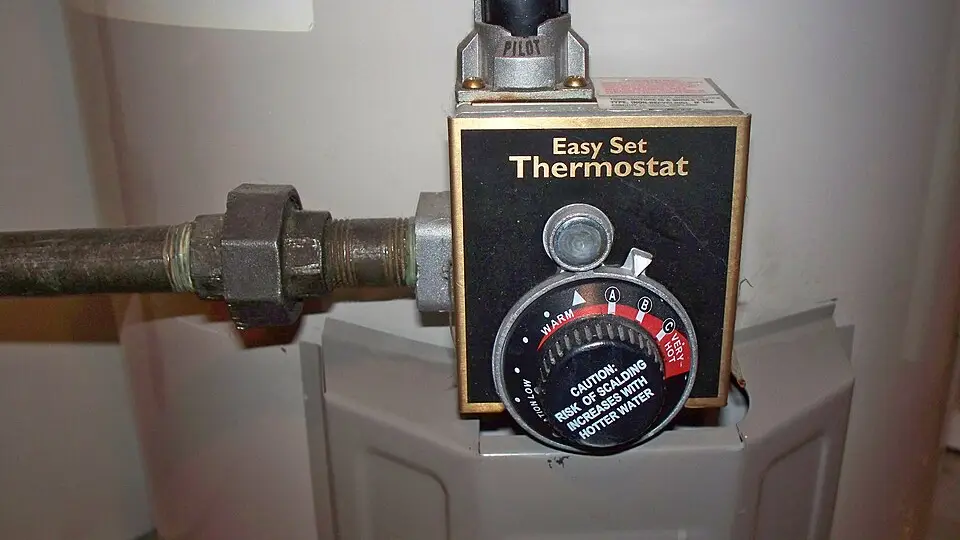
- Cut the energy. Electric heaters: switch the breaker off. Gas heaters: turn the control dial to off. Water and electricity or gas never mix safely.
- Close the inlet valve. The cold-water pipe entering the top has a shut-off valve. Closing it stops the tank refilling and slows the leak to what is stored.
- Protect the floor. Move boxes, rugs and anything absorbent away from the spread. Photograph the scene before you clean anything. Photos help with any later insurance conversation.
One exception overrides everything above. If you smell gas at any point, leave the house first. Call the gas utility or emergency services from outside. No valve is worth your safety.
Stored water still drains: a full tank keeps dripping after shut-off. That slowdown is normal, not a failed valve. Judge the leak again after an hour, not after a minute.
If the puddle keeps growing, drain the tank through its valve. Run a garden hose to an outside point or a floor drain. An empty tank cannot flood anything. Let the water cool first, because stored hot water scalds.
Is a Leaking Water Heater an Emergency?
It depends on the leak’s behaviour, not its location. Water spraying, running steadily, or pooling fast is an emergency. Pressure behind a failing tank can turn a stream into a flood without warning.
A slow drip caught by the drain pan is urgent instead. You have hours to a day to arrange help calmly. Use that time to find the source with the section below. Do not let “urgent” drift into next week, though.
Water near electrics or a gas flame raises any leak a level. In practice, treat any water heater leaking near electrics or an open flame as an emergency by default. So does a heater serving a home with finished floors below. When in doubt, treat it as the worse category. Our emergency leak detection team answers around the clock for exactly those calls.
Find the Source: The Four Places Heaters Leak From
The T&P Valve
The temperature-and-pressure valve sits on the side with a discharge pipe. It weeps when pressure or temperature runs high. Replacement is a part swap, though the cause deserves checking too.
The Drain Valve
The spigot near the base loosens or wears with age. Drips here are the friendliest leak a heater makes. A cap can buy time; a new valve ends it.
Inlet and Outlet Fittings
The pipes on top connect through fittings that corrode and slacken. Water here runs down the tank and fakes a tank leak. Drying the top and watching closely separates the two.
The Tank Body
Rust works from inside out for years before showing. Water seeping from the tank wall or base seam is the verdict. No patch, sealant or prayer reverses internal corrosion.
One impostor deserves a mention first: condensation. Cold inlet water on a humid day sweats down the tank’s sides evenly. It looks exactly like a small leak starting. Wipe it dry and watch where moisture returns. Condensation returns everywhere; a leak returns at a point.
Dry the whole unit with a towel before you start judging. Then watch for two minutes to see where water first appears. That small patience prevents the classic mistake: replacing a healthy tank for a loose fitting’s drip.
Can It Be Repaired, or Is the Tank Done?
Parts leaks are repairs. Valves, fittings and elements can all be replaced individually. On a young heater, those fixes are sensible money. The tank itself stays sound for years after.
Tank-body leaks are replacements. Most residential tanks live about eight to twelve years. A corroded tank near that age was retiring anyway. Put the money into the new unit, not into delaying the inevitable.
Age decides the grey zone in between. A nine-year-old heater needing its third part repair is talking to you. Listen early, while the replacement is a scheduled job. Our cost guide shows how detection and repair pricing fits together.
Tankless owners get a different failure style. Those units leak at connections and heat exchangers, and complain loudly with error codes. The shut-off moves in this guide still apply first, whatever the model.
Can You Still Use Water While the Heater Leaks?
Mostly, yes — with the heater isolated. Closing its inlet valve protects the tank circuit only. Cold water keeps flowing to taps, toilets and the washing machine. Your home is inconvenienced, not shut down.
Hot water is the sacrifice. Running the heater keeps hot water available but feeds the leak continuously. For a parts leak awaiting a morning repair, some owners accept one careful evening. For a tank leak, never: shut it down and keep it down.
Sudden failures like this are the claims insurers understand best. Our insurance guide explains which resulting damage is typically covered. Take your photographs before the cleanup, whatever you decide.
How Long Will a Leaking Water Heater Last?
Honest answer: nobody can promise you days. A tank weeping from corrosion is metal at the end of its strength. It may weep politely for a week, or split during tonight’s heating cycle. Both endings happen in Portland garages every winter.
Treat any tank-body leak as a same-week replacement. Move valuables out of the flood path today. If the heater sits above finished space, treat it as same-day. Water damage writes bigger cheques than heaters do.
A leaking heater also hides inside your water bill until then. It was one of the nine causes in our water bill guide. Replacing the tank closes that drain on your quarterly statement too.
While you wait for the replacement, check the tank daily. A weep that doubles in a day is a tank asking to be retired tonight, not next week.
Frequently Asked Questions
The questions homeowners ask Google when the heater starts leaking.
Is it an emergency if your water heater is leaking?
A spraying or fast-flowing leak is an emergency, yes. Shut off the water and power, then call for help. A slow drip into a drain pan is urgent but calmer. Either way, a leaking tank only gets worse with time.
Can I still use my water if my water heater is leaking?
Cold water usually stays usable once the heater is isolated. Close the heater’s inlet valve and the rest of the house keeps water. Hot water stays off until the heater is fixed or replaced. If the leak is electrical or gas related, stop and call first.
How long will a water heater last once it starts leaking?
A tank that leaks from its body has already finished its life. It may hold for days, or it may burst tonight. Nobody can promise a safe number of days. Plan the replacement now rather than gambling on the tank.
Can I still shower if my hot water heater is leaking?
A cold shower, yes, once the heater is shut down safely. A hot shower needs the heater running, which keeps feeding the leak. Most households manage a day or two cold. Treat that window as your replacement deadline.