Portland Water Bureau Leak Adjustment: How to Get Your Bill Reduced After a Leak
You fixed the leak, but the quarterly bill still shows the damage. Portland’s leak adjustment can give part of that money back. This guide covers the five rules that decide your claim. It also shows what the credit covers and the exact steps for applying.
Table of Contents
You fixed the leak, but the bill still hurts. Portland offers a way back from that number. It is called a leak adjustment, and many homeowners never claim it.
The Portland Water Bureau can reduce the excess part of a leak bill. The catch is timing, because strict deadlines apply. Miss a window and the adjustment is gone.
If your leak is already fixed, you hold the strongest position. The repair-first rule is already satisfied in your case.
This guide explains who qualifies and which rules decide the outcome. It also walks through the application, step by step. Everything here follows the Bureau’s own published rules.
Who Qualifies for a Portland Leak Adjustment?
The adjustment exists for one situation only. A leak on your property pushed your water use above normal. You then found the leak and had it repaired.
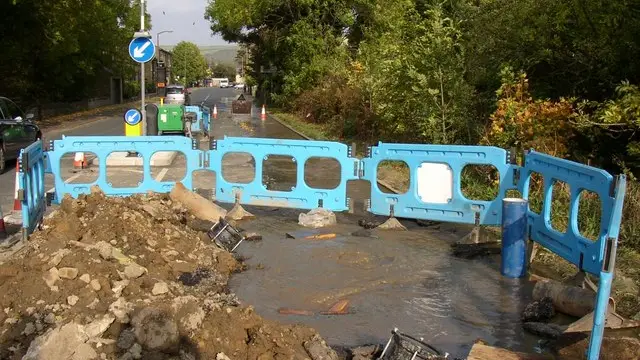
The Bureau’s limit names underground and outdoor leaks directly. Those are the leaks that run unseen for a full quarter. A buried service line break is the classic qualifying case. Irrigation leaks follow the same repair-first pattern.
Portland’s quarterly billing is why this program matters so much here. A leak can charge you for three months before one bill shows it. The adjustment is the city’s way of splitting that bad luck.
One thing never qualifies: a leak that is still running. The program starts only after the repair is finished. The next section covers the rules that decide everything.
The Five Rules That Decide Your Adjustment
Five rules from the Bureau decide whether money comes back. Read them before you touch the application.
Repair First, Then Apply
Adjustments are only made after the leak is repaired. An application during an active leak goes nowhere. Fix first, document the repair, then apply.
The City Verifies Your Meter
City staff check the meter to confirm the leak is fixed. Your readings should sit back at normal levels. Keep your repair invoice ready for that conversation.
Start Repairs Within 30 Days
You must make reasonable efforts to locate the leak quickly. Repairs should start within 30 days of the high-use notice. Waiting a full quarter weakens the claim badly.
Finish Repairs Within 90 Days
The repair must be complete within 90 days of that notice. Slow, staged repairs risk falling outside the window. Book detection early so the clock never pressures you.
One Adjustment Per 12 Months
Underground and outdoor leaks get one adjustment in any 12 months. A second leak inside that window will not earn another. That limit makes the first application worth doing properly.
Notice how the rules reward speed and records. The Bureau cannot judge a leak it cannot see in the data. Your meter history and your repair invoice tell the whole story.
What the Adjustment Covers — and What It Does Not
An adjustment targets the excess, not the whole bill. The Bureau reviews the leak period against your normal use. The part above normal is what can come back.
| The adjustment can cover | It does not cover |
|---|---|
| Excess water charges above your normal use | Your normal quarterly water use |
| Leak-period usage the Bureau verifies from meter data | The cost of finding the leak |
| Part of the inflated bill for the leak quarter | The cost of the repair itself |
| — | Damage to floors, walls or belongings |
Consider what the excess looks like in real numbers. A running toilet wastes about 18,000 gallons in one quarter. A buried line leak can waste far more before anyone notices. On Portland’s combined bill, that excess alone reaches several hundred dollars.
No percentage is promised anywhere in the rules. The Bureau decides the credit from your meter history. A clean paper trail gives them clean numbers to work with. Damage costs are a separate conversation, usually with your insurer.
How to Apply, Step by Step
The application itself is simple once the repair is done. Follow these steps in order.
- Repair the leak and keep the invoice.
- Confirm your meter readings look normal again.
- Find the bill that shows the high-use period.
- Contact the Bureau by email, phone or mail.
- Explain the leak, the repair date and your proof.
- Watch the next bill for the adjustment credit.
Keep copies of everything you send. If the credit looks wrong, your records make the follow-up simple. Income-qualifying homeowners can also ask about the Home Water Leak Repair Program. Keep the next bill too, so you can compare the credit against the leak quarter.
What If Your Leak Is Still Running?
Then the clock is already your enemy. Every day of delay eats into the 30-day start window. It also adds gallons that the next bill will charge for.
The 30-day window runs from the Bureau’s notice, not from your discovery. A high-use letter is therefore a starting gun, not junk mail. Even suspicion is enough reason to book a search that week.
Pinpoint the leak first, repair it second, apply third. That order protects both your home and your claim. Our underground leak detection service finds buried leaks without digging up the yard.
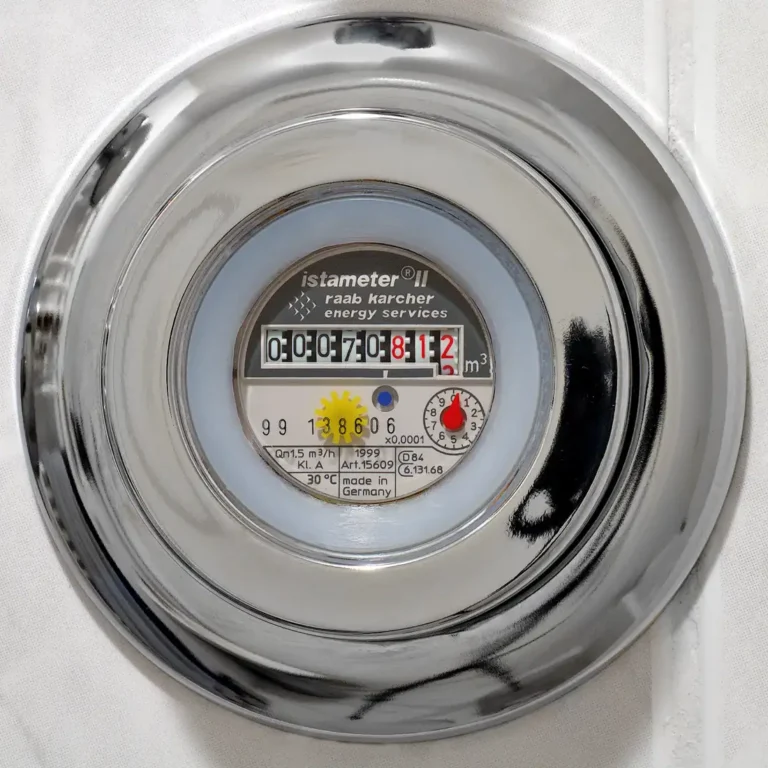
Not sure a leak is running at all? Start with the meter check in our water bill guide. Ten minutes tells you whether water is moving with everything off.
Mistakes That Kill Applications
Applying Before the Repair Is Done
The Bureau adjusts repaired leaks only. An early application wastes your one clean shot. Wait until the invoice exists.
Missing the 30-Day Start
The notice date starts a real countdown. Homeowners who “wait and see” lose the window quietly. Book the search the week the bill lands.
Keeping No Paper Trail
No invoice, no repair date, no proof. The Bureau works from records, not memories. Photograph the repair and file every document.
Assuming the Leak Is Fixed
Sometimes a second leak hides behind the first. If the meter still moves, the city check will show it. Verify the fix before you apply.
Throwing Away the High Bill
The inflated bill is your core evidence. It shows the usage spike the Bureau must review. File it with the repair invoice.
Repairing Without an Invoice
A cash repair with no paperwork is hard to prove. Always get a dated invoice that names the repair. That single page carries the application.
Final Takeaway
The leak adjustment is real money back for a repaired leak. The program rewards three habits: fix fast, document everything, apply once the meter is calm. Homeowners who do those three rarely leave money behind.
If the leak is fixed already, apply this week while the records are fresh. If it is still running, the fastest repair protects both the house and the claim.
Leak Still Running? The Clock Is Ticking.
Detection now protects your adjustment later. See what leak detection costs in Portland, then book with a flat fee confirmed upfront.
Frequently Asked Questions
The adjustment questions Portland homeowners ask us most.
Does Portland give a credit for a water leak?
Yes, through the leak adjustment program. After the leak is repaired, the Bureau can credit part of the excess charges. City staff verify the fix by checking your meter. The repair must start within 30 days of the high-use notice.
How long do I have to fix a leak for an adjustment?
Start repairs within 30 days of being notified of increased usage. Complete them within 90 days of that same notice. The Bureau expects reasonable efforts to locate the leak quickly. Late repairs can lose the adjustment entirely.
How many leak adjustments can I get?
For underground and outdoor leaks, one adjustment per 12-month period. That limit is written into the Bureau’s rules. A second big leak inside the year will not earn a second credit. Doing the first application properly matters.
How do I apply for a leak adjustment?
Contact Portland Water Bureau customer service after the repair. Email PWBCustomerService@portlandoregon.gov or call 503-823-7770. You can also write to 664 N Tillamook St, Portland, OR 97227. Have your repair invoice and the high bill ready.