
Leak Detection in Beaverton
Leak Detection in Beaverton, OR
Find the hidden leak before it finds your floor.
Our leak detection Beaverton service finds hidden leaks without tearing your home apart first. A Beaverton leak detection visit starts with testing, not demolition. We confirm water is escaping, isolate the line, and mark one exact spot. Then you decide on repair with real numbers in hand.

Non-invasive testing first
One marked leak location
Flat fee confirmed before work
Written report with photos
Signs You Need Leak Detection in Beaverton
No single sign proves a hidden leak by itself. Two or more signs together justify proper testing.
A Bill That Climbs While Your Routine Stays Flat
Water use jumps, but showers, laundry, and cooking stay the same. That gap often points to water escaping somewhere hidden. Compare this bill with the same month last year.
Sounds, Stains, and Falling Pressure
You hear water running while every fixture sits off. Walls show stains or bubbling paint. Floors feel damp, soft, or oddly warm. Pressure drops at several taps at once.
Wet Yard Spots and Irrigation Clues
One patch of lawn stays green and soggy through dry weeks. Irrigation zones lose pressure or pool water near heads. Greenway and Aloha-area yards often hide these losses longest. Sprinkler lines can leak quietly for months.
| Sign you notice | Likely source | Next check |
|---|---|---|
| Bill climbs, routine unchanged | Hidden supply or service-line leak | Run the meter test below |
| Running-water sound, fixtures off | Pressurised line leaking now | Run the meter test today |
| Warm or damp floor patch | Hot line under floor or slab | Work through the slab section |
| Soggy lawn strip or pooling | Irrigation or yard service line | Check irrigation zone by zone |
How Can You Find Out Where a Leak Is Coming From in a Beaverton Home?
Start with the meter. It separates guesswork from proof in about two hours.
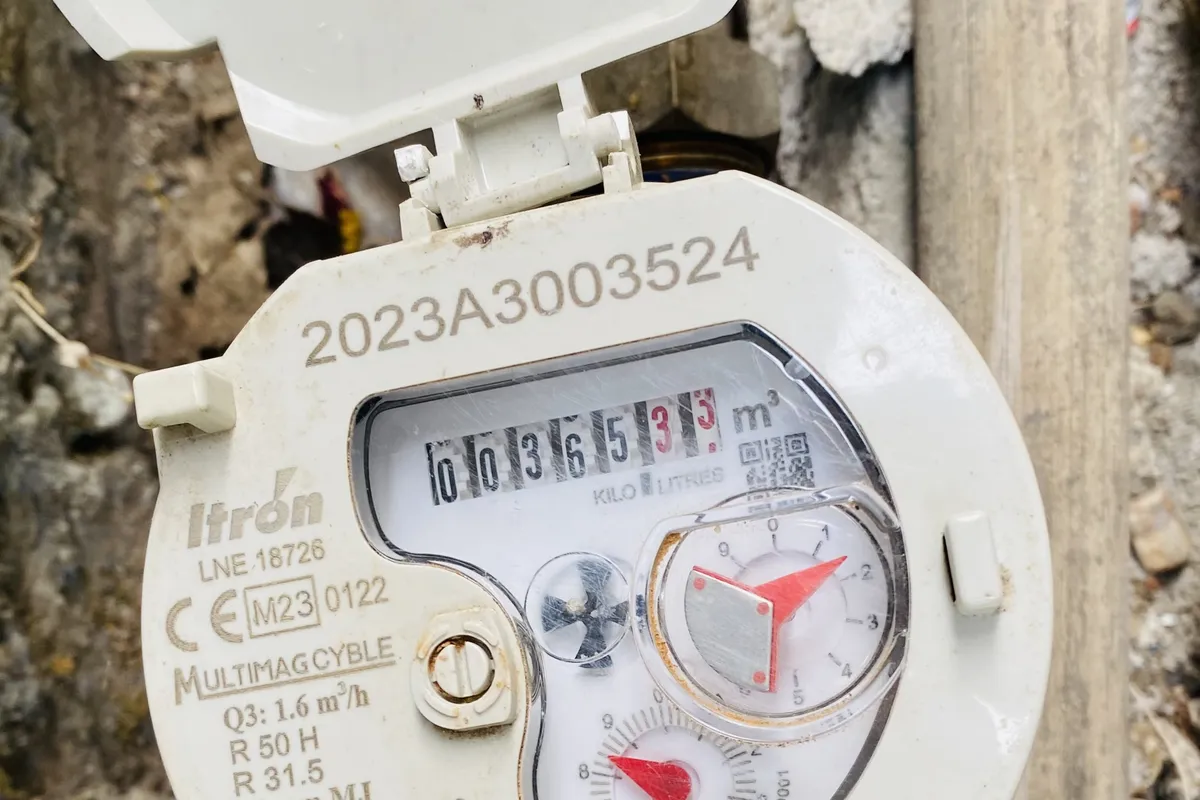
The Two-Hour Meter Test
Shut off every tap, appliance, and irrigation zone. Read your water meter and write the number down. Wait two hours without using any water. Read the meter again. Any movement means water left the system somewhere. Beaverton homes draw City water or Tualatin Valley Water District water. Both meters carry a small leak indicator that spins with flow.
Isolate: House Side or Yard Side?
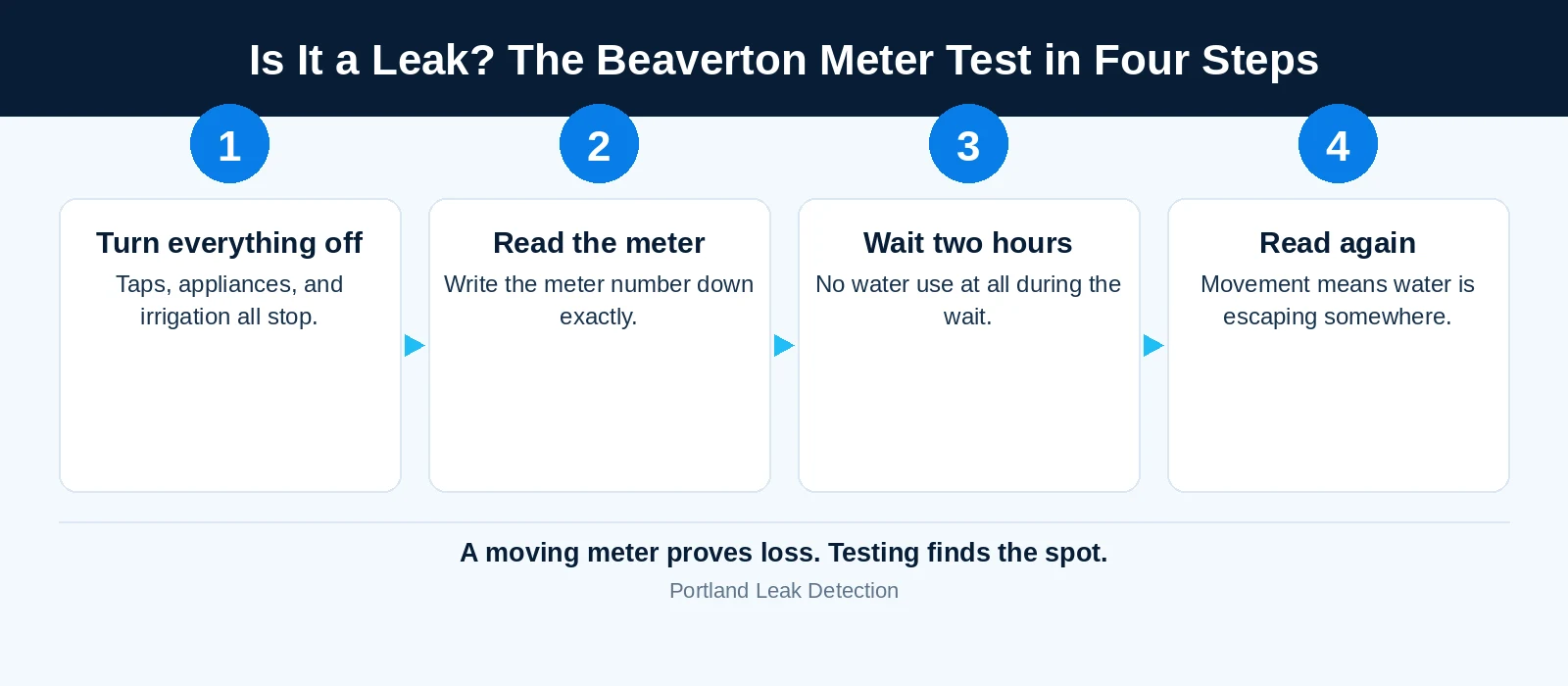
Close the main shutoff where the line enters your home. Recheck the meter after thirty quiet minutes. A still meter points inside the house. A moving meter points to the buried service line. That split decides which tools we bring first.
Slab Leak Detection in Beaverton’s Ranch-Era Homes
Beaverton grew fast between the 1960s and the 1980s. Builders poured thousands of ranch homes onto concrete slabs. Cedar Hills, Five Oaks, and Greenway hold whole streets of them. The Aloha area added more slab homes in those decades. Their copper lines now sit forty to sixty years old. Those lines run inside or under the concrete itself.
Why Beaverton Slabs Leak Now
Copper ages from the inside out over decades. Tualatin Valley clay soils swell wet and shrink dry. That slow movement stresses pipes and joints under slabs. Pinholes usually open first at elbows and fittings.
Signs, and How Plumbers Find Slab Leaks
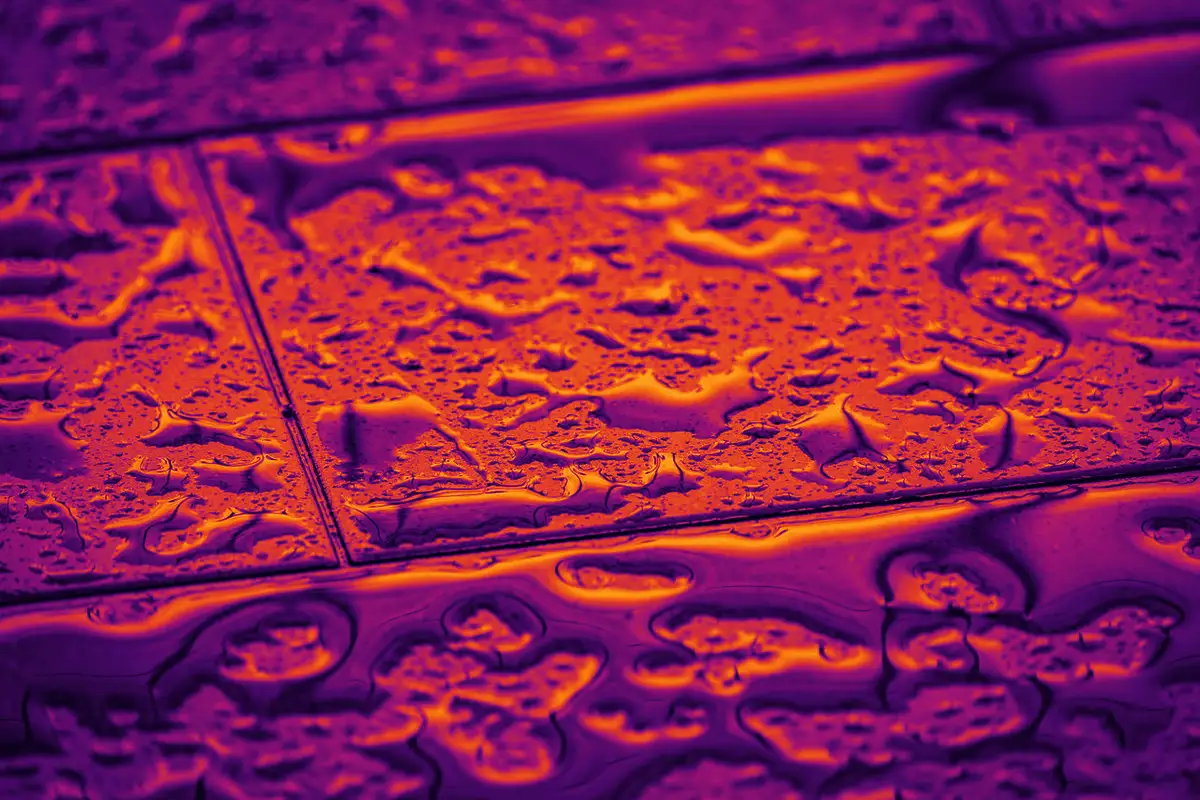
One floor area feels warm under bare feet. The meter moves while the house uses nothing. Flooring cups, softens, or smells musty nearby. Plumbers find slab leaks by listening first. Acoustic sensors follow escaping-water sound through the concrete. A thermal camera confirms the warm trail at the surface. Pressure tests prove which line is actually failing. For slab leak detection Beaverton homeowners can read the full method breakdown on our slab leak detection page.
Beaverton Homes by Era: Where Leaks Start
Foundation type and pipe age change the whole search. This table matches Beaverton building eras to their usual leak pattern.
| Era and areas | Housing stock | Typical leak pattern |
|---|---|---|
| 1950s–60s, Cedar Hills and downtown | Ranch homes, crawlspace and early slab | Ageing galvanised lines, joint pinholes |
| 1970s–80s, Five Oaks, Greenway, Aloha area | Slab-on-grade ranch homes | Under-slab copper pinholes |
| 1990s–2000s, Bethany side, Sexton Mountain | Larger two-storey homes, plastic lines | Fitting failures, irrigation losses |
| 2000s on, Progress Ridge, Murray Hills | Newer builds, plastic supply lines | Irrigation leaks, water-heater line failures |
How We Pinpoint a Leak in Beaverton
We match the method to the line, the floor, and the sign. Every finding gets confirmed a second way before marking. That is how leak detection in Beaverton ends with one spot, not a search area.
| Method | Best for | Opens anything? |
|---|---|---|
| Acoustic listening | Pressurised lines under floors, slabs, soil | No |
| Thermal imaging | Hot-water lines, damp wall patterns | No |
| Tracer gas | Quiet leaks in plastic lines | No |
| Pressure testing | Proving which line or zone fails | No |
| Sewer camera | Drain and sewer lines only | No |
A soggy strip along the meter-to-house run points underground. Our underground leak detection process traces that line before anyone digs. Slow drains and gurgling point to the sewer lateral instead. A sewer camera inspection shows roots, cracks, and bellies inside. Warm wall patterns suit a thermal imaging scan before any opening. Pools and spas lose water in their own ways. See pool leak detection for bucket and pressure testing. Water pouring right now cannot wait for a scheduled visit. Use our emergency leak detection page instead. Once a spot is marked, leak repair options come with a fixed written quote.
Facts and Figures for Beaverton Homeowners
EPA WaterSense puts average household leak waste near 10,000 gallons yearly.
One quiet toilet or pipe leak can waste that alone.
Our own numbers, confirmed by the owner: 15+ years serving the metro.
More than 5,000 leaks located to date.
A 5.0-star average.
General leak detection runs $150 to $400, most homeowners paying about $275.
The flat fee is confirmed before any work starts.
Every job ends with a written report and photos.
Scheduling is available, and our emergency line is available for urgent leaks.
Leak Detection Beaverton FAQs
For every city and service we cover, see our service areas page. Nearby: leak detection in Tigard, leak detection in Hillsboro, and leak detection in Lake Oswego. Book leak detection in Beaverton today and get one marked spot, not a torn-up home.
Book Leak Detection in Beaverton Today
Get one marked spot, not a torn-up home.