
Commercial Leak Detection
Commercial Leak Detection in Portland, OR
Your building is losing water somewhere between the meter and the last unit. The bill shows the loss, but nobody can see the source. Commercial leak detection in Portland starts with that gap. A commercial leak detection visit traces the loss zone by zone. Then it pinpoints the exact failure point. You get a marked spot, photos, and a written report. Most of the building keeps its water on during the search.
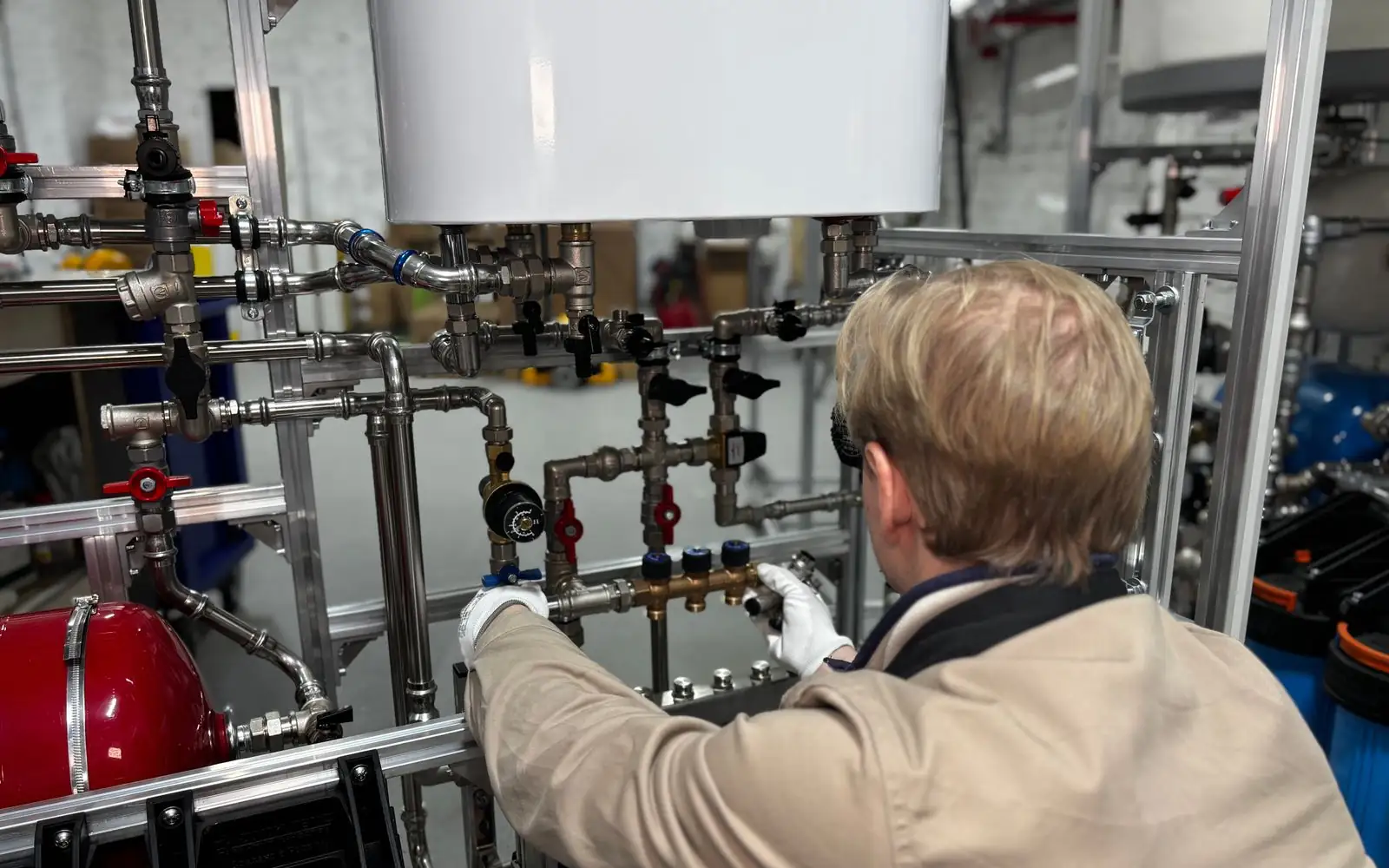
Flat fee confirmed before any work starts
Scheduled around tenants, guests, and business hours
Written report with photos on every job
Detection and repair from one team
Signs your building is losing water
A building rarely shows a leak the way a house does. Water hides inside risers, ceilings, and shared walls. The first witnesses are your meter, your bills, and your tenants.
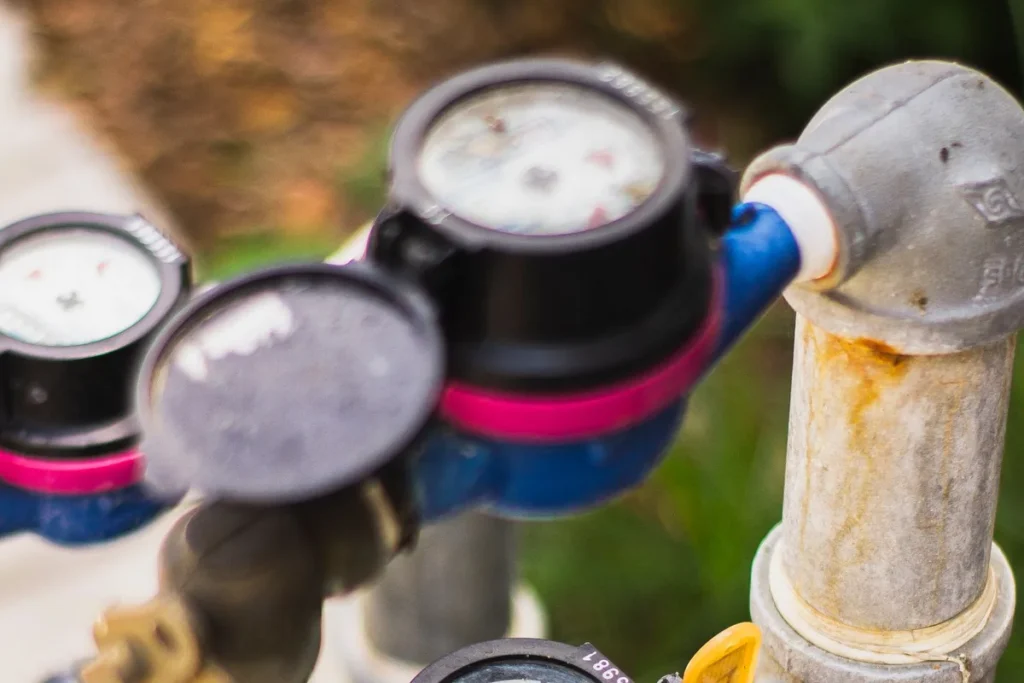
The water bill jumped across one or more meters
Usage climbs while occupancy and routines stay flat. One meter may spike while its neighbours hold steady. That pattern points at one zone, not the whole property.
Tenants report stains, odors, or low pressure
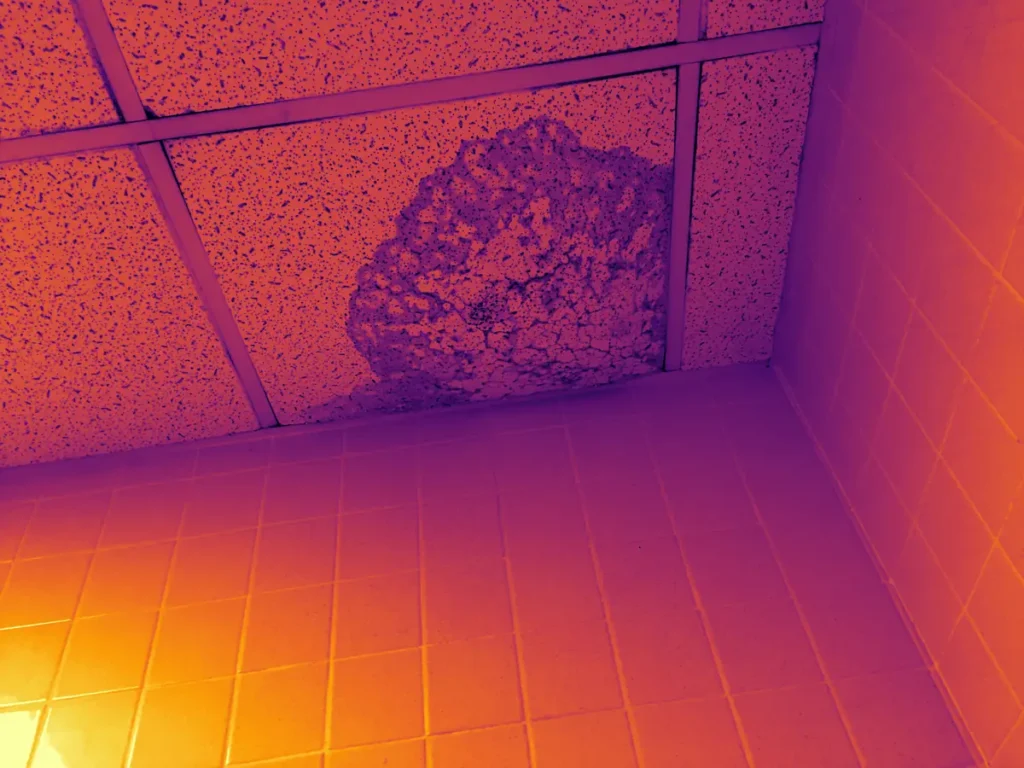
A ceiling stain in one unit often starts two floors up. Musty odors gather where moisture sits inside a wall. Several units losing pressure together suggest one shared line.
Wet ground, pooling, or sinking paving near the service line
One soft patch in landscaping can mark a buried break. Pooling near a parking strip deserves the same suspicion. Sinking pavers above the service line tell a similar story.
| Sign you notice | What it usually points to | First step |
|---|---|---|
| Bill spike on one meter | A leak inside that meter’s zone | Compare zones, then book a survey |
| Stains or odors in stacked units | A riser or shared-wall line leaking | Log units and dates for the visit |
| Pressure drops across several units | A shared supply line losing water | Book zone isolation testing |
| Wet or sinking ground outside | Buried service line break | Do not dig; get the line traced |
| Running water heard after hours | An active leak in an empty zone | Check the meter, then call |
Managing a single-family rental instead? Our Portland leak detection page covers homes.
How much does commercial leak detection in Portland cost?
Most single-zone visits land inside our standard detection range. General leak detection runs $150 to $400 per visit. Most customers pay about $275. A defined zone in one building usually sits inside that range. The confirmed fee replaces every estimate before work starts.
What drives a commercial quote up or down
Building size sets the number of zones to isolate. Older risers and shared lines take longer to test. Tight access above ceilings or inside shafts adds time. After-hours work is quoted in the same flat fee first.
Flat fee, confirmed before we start
We never bill detection work by the hour. Your flat fee is confirmed before the visit begins. The fee is credited toward the repair booked with us. One team finds the leak and fixes it. That credit keeps the survey from becoming a sunk cost. One common add-on is the sewer lateral under parking areas. A standard camera inspection runs $150 to $300. An HD camera inspection runs $300 to $600. Our sewer camera inspection in Portland page covers that service.
How commercial leak detection works in an occupied building
Shutting down a whole building is rarely necessary. We isolate the loss one zone at a time. Tenants and customers keep working around the search. Four steps run on every commercial visit.
01 — REVIEW THE METER AND THE BILLS
Readings show which zone loses water and when.
02 — ISOLATE ZONES AND RISERS
Valves split the building into testable sections.
03 — PINPOINT WITH MATCHED METHODS
Acoustic listening, thermal scanning, and pressure tests cross-check each other.
04 — MARK, PHOTOGRAPH, AND REPORT
You receive the exact spot and the evidence behind it.
| Method | Best for in a commercial building | Shuts the building down? |
|---|---|---|
| Acoustic listening | Pressurised lines in walls, ceilings, slabs | No; one zone at a time |
| Thermal scanning | Hot lines and moisture paths across large areas | No; fully non-invasive |
| Pressure isolation | Confirming which riser or zone is failing | Brief, zone only |
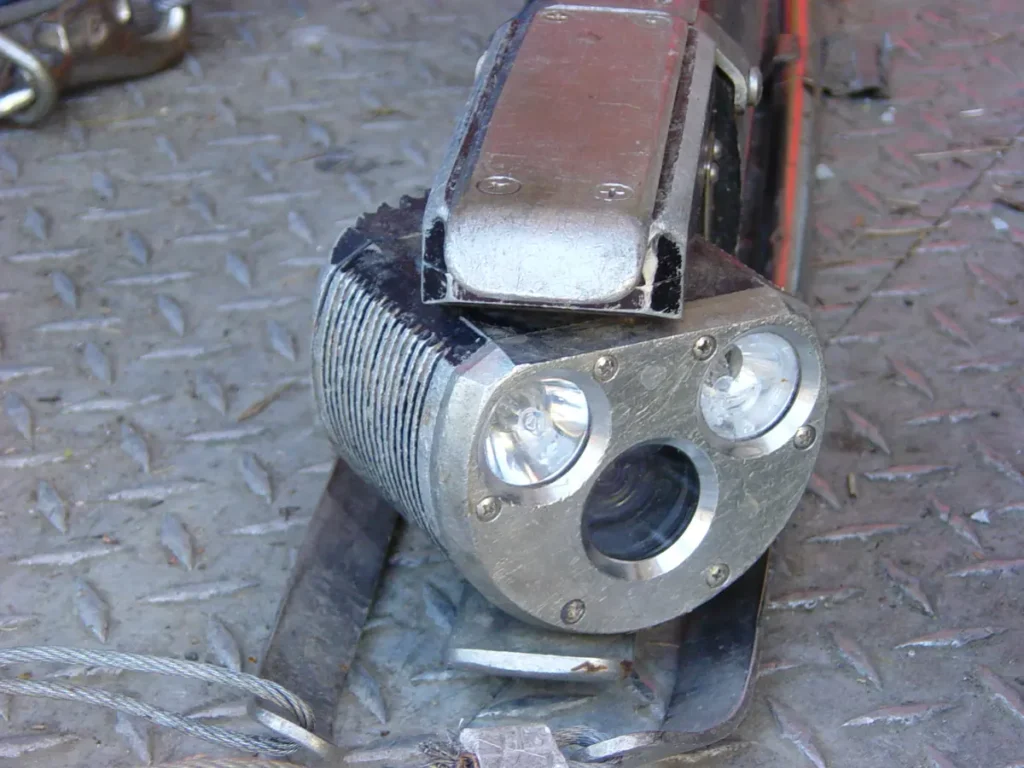
| Sewer camera | Laterals under parking and shared drains | No; runs through cleanouts |
When the loss sits in the buried service line, the search moves outside. Our underground leak detection in Portland page covers that work.
Multifamily leak detection in Portland: apartments, condos and HOAs
Multifamily buildings hide leaks better than any other property type. Dozens of units share risers, drains, and supply branches. One failure can bill the whole property for months.
Apartment buildings: shared risers and stacked wet walls
Kitchens and baths stack on the same walls floor after floor. One cracked riser joint wets every unit below it. Zone testing follows the stack instead of guessing by unit.
Condos and HOAs: common areas versus in-unit pipes
The responsibility split decides who books and who pays. HOAs usually own common-area and shared-system pipes. Owners usually own the pipes serving only their unit. Our report marks which side of that line failed.
Tenant notice and access, handled with your team
We schedule entry with your office or on-site manager. Visits follow your notice rules for occupied units. Most testing happens from common areas and access panels.
The Portland buildings we check
Commercial leak detection for a downtown tower looks nothing like a warehouse survey. Each property type fails in its own familiar places. Local stock shapes the search before we arrive.
| Property type | Typical leak points | How the visit is scheduled |
|---|---|---|
| Downtown offices and towers | Risers, cooling lines, restroom stacks | Early mornings or after close |
| Pearl District warehouses and lofts | Old galvanized runs, converted-system joints | Around tenant business hours |
| Apartments and condo buildings | Shared risers, stacked baths, laterals | With manager-led unit access |
| Restaurants and cafes | Supply lines, floor drains, water heaters | Before opening or between services |
| Retail strips and storefronts | Slab lines, restroom groups, irrigation feeds | Off-peak trading hours |
| Industrial and warehouse sites | Long service runs, yard lines, hydrants | Around shifts and loading schedules |
Eastside industrial sites along Airport Way run long buried services. Restaurant rows on Division and Alberta cannot lose a Friday night. The schedule bends around the business, not against it.
A burst pipe at 2 a.m.: after-hours commercial calls
An after-hours commercial leak detection call starts with safety, not scheduling. Our emergency line is available every day for urgent leaks. Emergency visits carry a $75 flat service fee. Emergency service available.
First moves inside a commercial building
Close the main or the zone valve first. Keep people away from water near panels and outlets. Move stock, records, and equipment off wet floors. Photograph the scene before cleanup begins. Your photos join our report for the insurance file.
Who to call: us, the Bureau, or 911
Water inside your building is your side of the meter. That is our call to answer. Water in the street or sidewalk belongs to the City. The Portland Water Bureau runs that emergency line. Gas smells, sparks, or injuries mean 911 first. The full first-hour playbook sits on our emergency leak detection in Portland page.
Reports, repairs and portfolio work
For a managed property, commercial leak detection is only half the job. The other half is paper your stakeholders accept. This section covers the report, the repair path, and multi-site work.
A written report your insurer, board, or owner can file
Every job ends with a written report and photos. It shows the marked spot and the readings behind it. Insurers use it to support a claim. Boards use it to approve repair spending. Keep that report with the repair invoice and photos. The Portland Water Bureau may adjust a bill after documented repair. Start the repair within 30 days of the high-use notice. Finish within 90 days to stay eligible.
From finding to fixed, with one team
Detection and repair both sit with our crew. You receive a fixed quote before any repair starts. Our leak repair in Portland page explains the repair options.
Several properties, one call
One call can schedule surveys across your whole portfolio. We sequence buildings by bill impact and tenant risk. Managed portfolios can move to a recurring survey agreement, with each building checked on a set cycle and every finding documented. Check coverage for each address on our service areas page. Or send the property list through our contact page.
Municipal and institutional properties in Oregon
Schools, public buildings, and utility districts run older buried systems. Municipal leak detection Oregon teams request follows the same survey model. Zone isolation and documented findings suit public reporting needs. Public work is scoped and priced upfront before any survey begins, with findings documented for public reporting and procurement files.
15+Years Serving the Portland Metro
5,000+Leaks Located to Date
11Areas Served
LocalPortland-Based Team
Past the meter, the service line belongs to the property owner. The Portland Water Bureau maintains pipes only up to the meter.
Detection model: flat fee confirmed first, no hourly billing on detection.
FAQ
Frequently Asked Questions
Short answers for managers comparing commercial leak detection in Portland.
One call covers the building in front of you
Start with the building that worries you most. Book commercial leak detection in Portland and get a marked spot, not a guess. Send a whole portfolio list through our contact page instead. Either way, your next step is one call.