
Underground & Water Line Leaks
Underground Leak Detection in Portland, OR
Your water bill jumped, but your daily use never changed. One patch of yard stays wet while the rest dries. Those signs point to a break underground. Underground leak detection in Portland starts with the meter-to-house line. Our water line leak detection work pinpoints that break before anyone digs. You get one marked spot, not a torn-up yard.
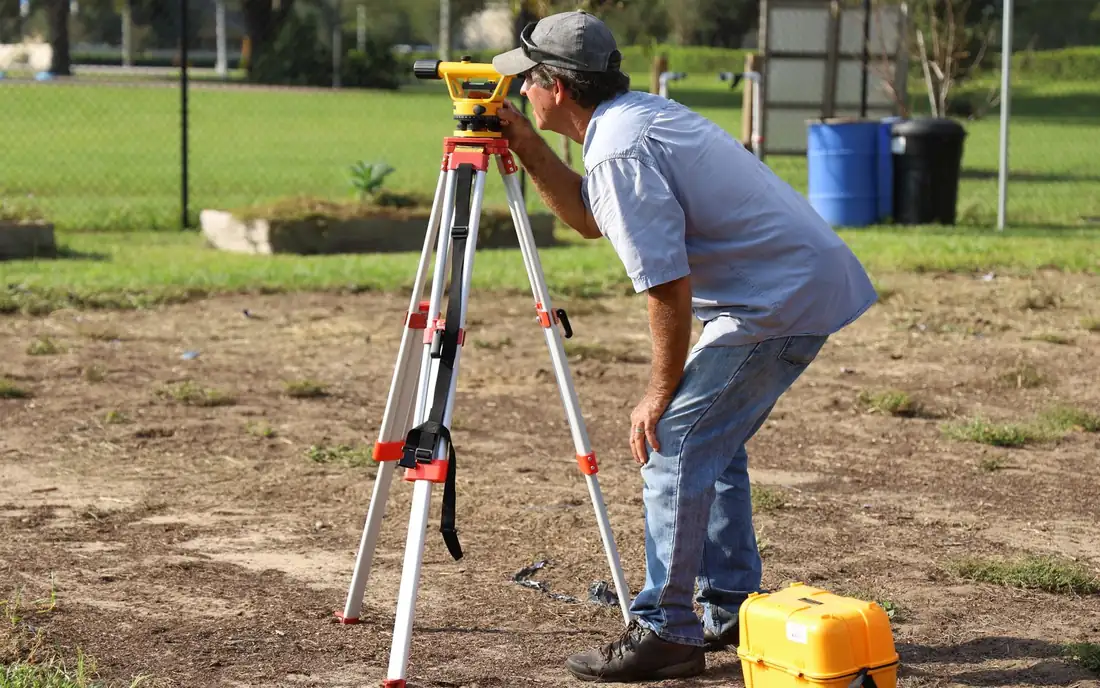
Meter test confirms the leak first
Line traced before pinpointing
One marked spot for repair
No digging during detection
Signs You Need Underground Leak Detection in Portland
How can I determine if there is an underground water leak? Start with the signs the Portland Water Bureau lists. A use spike with no habit change comes first. Your meter’s leak indicator moves while taps stay off. One yard strip turns soggy, soft, or extra green. House pressure drops at every faucet at once. You hear running water with all fixtures shut. Rust, dirt, or air spurts from taps. One sign alone proves nothing by itself. Two together justify professional underground leak detection.
| Sign you notice | Usually points to | Next check |
|---|---|---|
| Bill or use spike, habits unchanged | Active leak on the property | Run the meter test below |
| Leak indicator moving, all water off | Water flowing past the meter | Close the house shut-off, recheck |
| Indicator still moving, shut-off closed | Leak in the buried meter-to-house run | Book a professional pinpoint visit |
| Soggy or green strip along the yard | Service line leaking below | Do not dig; get it traced |
| Pressure drop across the whole house | Supply line losing water | Book pressure testing |
How Water Meter Testing Confirms a Pipe Leak in Portland
Portland Water Bureau guidance gives you a simple test. It needs no tools, just one quiet stretch. First, stop all water use inside and outside. Find your meter box, usually near the curb. Look for the small leak indicator dial. Portland meters use a red or blue triangle. Some use a blue snowflake dial instead. Any movement means water flows somewhere unwanted. Next, close your home’s main shut-off valve. Watch the indicator again for several minutes. Still moving means the leak sits underground. It lies between the meter and the shut-off. Stopped means the leak is inside your home. This pipe leak detection portland test separates buried from indoor leaks. That is where professional water line leak detection takes over.

How Underground Leak Detection in Portland Works
Is there a way to find a water leak underground? Yes, and the process follows four clear steps.
01 — CONFIRM
Confirm
We confirm the leak with testing.
02 — TRACE
Trace
We trace the buried line’s route. Nobody can pinpoint a line they cannot follow.
03 — PINPOINT
Pinpoint
We pinpoint the exact break point. The method matches your pipe and surface.
04 — MARK AND REPORT
Mark and report
We mark the spot and report. No digging happens until that mark exists.
Machines and Methods That Find Water Line Leaks Underground
Is there a machine that can detect water leaks underground? No single machine finds every buried leak. Crews match the tool to the line instead. Depth, surface, and pipe material all matter. The table below compares the main options honestly. Each method has a real limit worth knowing. Good crews combine two methods per visit. One result then confirms the other.
| Method | Best for | Line types | Digging to locate? | Honest limit |
|---|---|---|---|---|
| Acoustic ground microphone | Pressurised leaks under soil or concrete | Metallic and plastic | No | Traffic noise masks quiet leaks |
| Leak correlator, two sensors | Longer runs, two access points | Metallic and plastic | No | Needs two access points |
| Tracer gas | Quiet, deep, or noisy runs | Metallic and plastic | No | Line must be isolated, charged |
| Pressure testing | Confirming, isolating one section | Metallic and plastic | No | Confirms; never pinpoints alone |
| Line locating tools | Tracing where the line runs | Depends on tool | No | Soil can limit readings |
| Thermal imaging, supporting | Temperature clues at surfaces | Metallic and plastic | No | Supporting check only |
Acoustic Listening and Leak Correlators
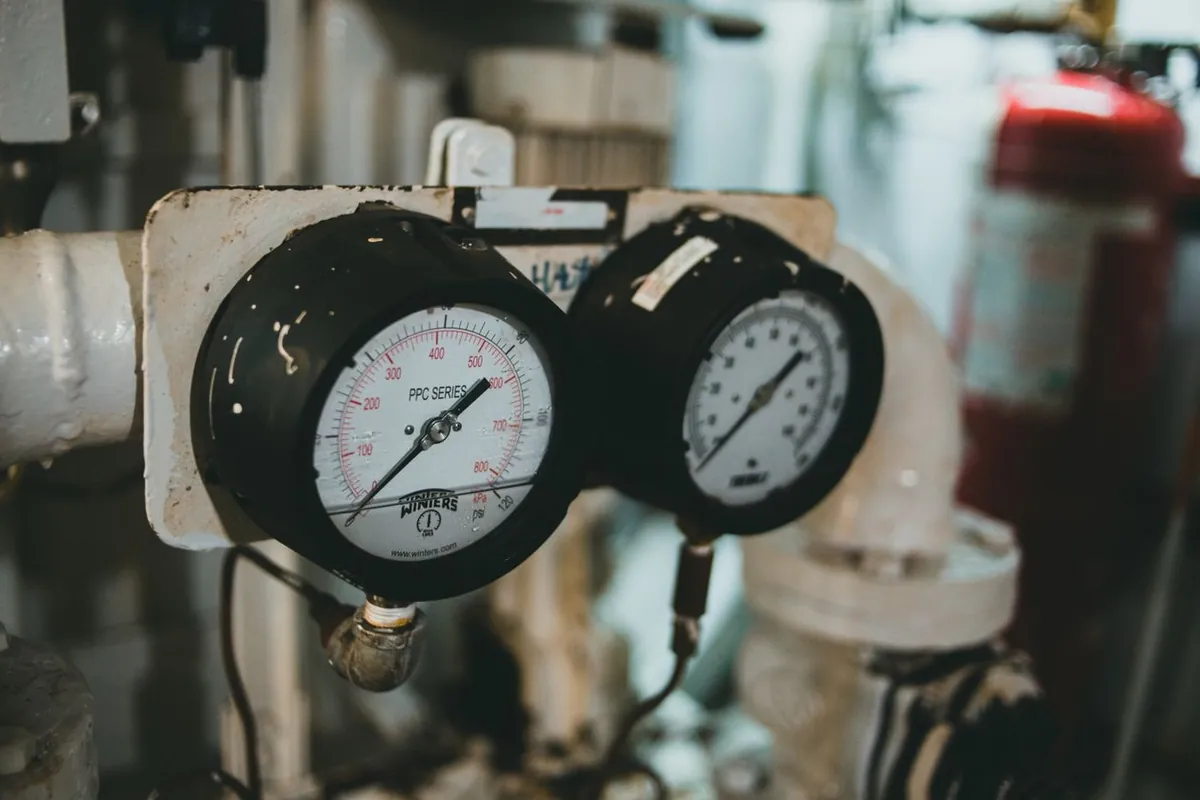
Escaping water makes sound under pressure. Ground microphones hear that sound through soil. Correlators compare sound timing between two sensors. That timing places the leak between them.
Tracer Gas Leak Detection
Some leaks stay too quiet for microphones. Noise or depth can hide them too. Crews then charge the isolated line with gas. The gas rises through the exact break.
Pressure Testing for Underground Lines
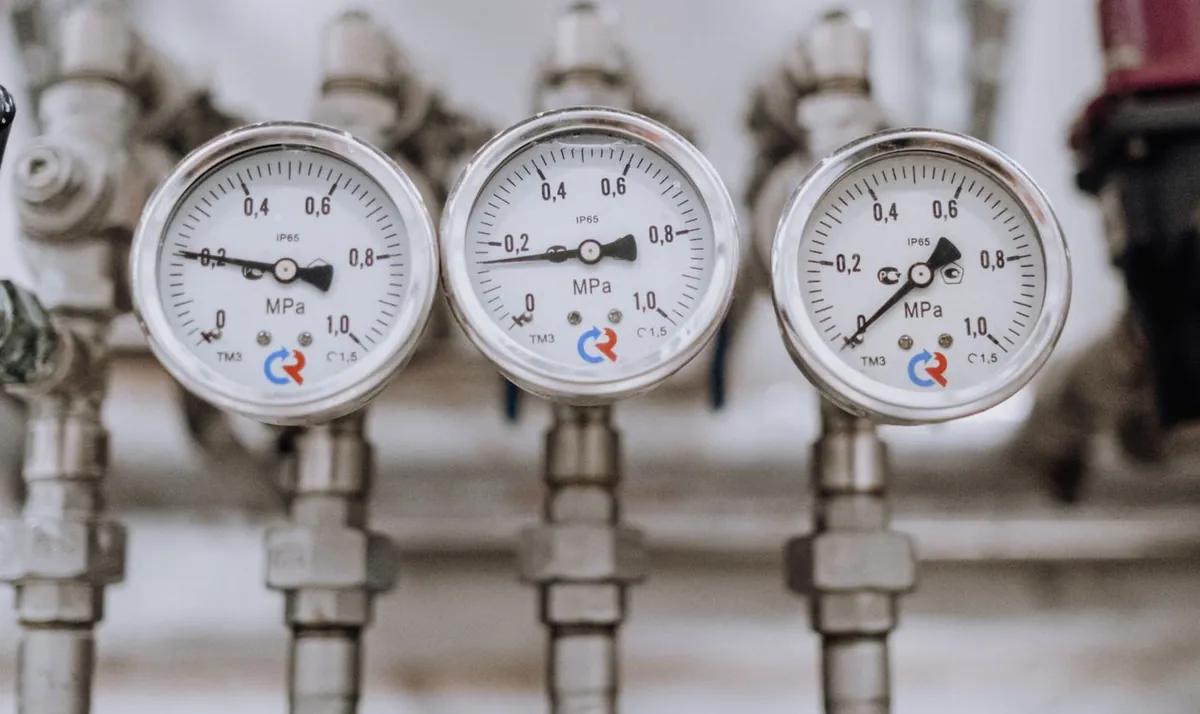
Crews isolate one section of your line. Then they watch it for pressure loss. Steady loss confirms which run is failing. Pinpointing starts on that confirmed run only.
Thermal Imaging as a Supporting Check
A thermal camera can hint at buried moisture. It never settles an underground search alone. Our thermal imaging leak detection page covers it properly.
Water Line Location in Portland
Every pinpoint search starts with one basic question. Where does your buried line actually run? Older Portland homes rarely come with line maps. Lines bend around trees, additions, and repairs. Guessing the route wastes time and money. So crews trace the route at the surface first. That trace guides every listening point. The right approach depends on pipe material.
Locating Metallic Lines
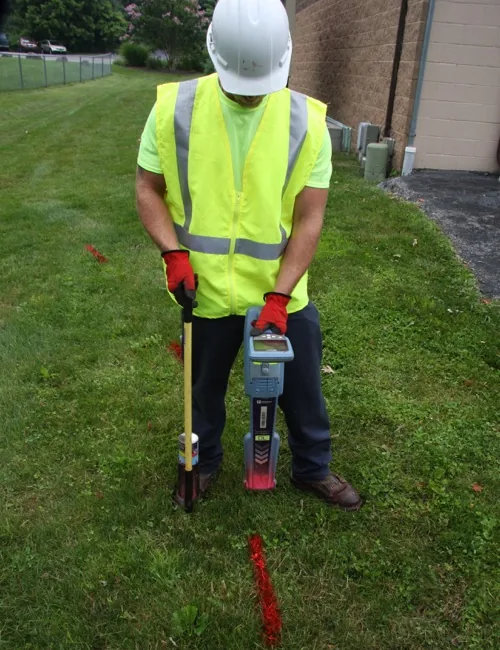
Copper and galvanized lines carry an electrical signal. Crews apply it at an access point. A receiver follows it across the yard. The painted route shows the line’s path.
Locating Non-Metallic Lines
Plastic lines carry no signal at all. PVC and PEX stay invisible to standard locators. A fitted tracer wire solves that problem easily. Without wire, crews use other proven options. A sonde rides a rodder inside the line. Acoustic pulses travel through the water column. Radar maps some plastic runs. Soil decides which option works best.
Underground Leak Detection Under Concrete and Asphalt
Many Portland lines run below hard surfaces.
Driveways, walkways, patios, and parking pads hide them.
Crews can still listen through those surfaces.
Pressurised water sound travels up through concrete.
Tracer gas also rises through asphalt joints.
Only the repair opens one small area.
This section covers yard and driveway concrete only.
A leak under your house slab is different.
That belongs on our slab leak detection page.
Irrigation Leak Detection in Portland Yards
Irrigation lines leak quietly and waste heavily. The EPA gives one striking example. A leak just 1/32 inch wide loses water fast. That tiny opening wastes about 6,300 gallons monthly. Watch for zones that never reach full pressure. Look for pooling around the lowest head. Check whether your meter moves during one zone. A zone-by-zone test separates irrigation from service lines.
Lost Irrigation Control Valve Location
A buried control valve can vanish completely. Turf and mulch swallow valve boxes over time. Crews trace the controller wire to find it. A valve locator follows that signal wire. A solenoid activator makes the valve chatter. Common hiding spots include house corners. Valves often sit downstream of the backflow preventer.
Signs an Irrigation Valve or Lateral Line Is Leaking
One zone bubbles at a single low head. Another sprays weakly across every head. The meter moves only while that zone runs.

What Causes Underground Leaks in Portland Homes?
The Portland Water Bureau lists clear, proven causes.
Corrosion eats older metal lines from inside.
Tree roots force joints and crack pipes.
Old glued joints lose their adhesion.
Some buried sections collapse over time.
Freezing stresses lines during cold snaps.
Shifting soil bends and strains buried runs.
Rodents gnaw softer pipe materials underground.
Every pipe material has a finite lifespan.
Copper, steel, iron, PVC, and CPVC all age.
Rain-soaked Portland ground stays heavy for months.
That saturated soil presses on weakened lines.
After Plumbing Leak Detection in Portland: The Marked Spot and Next Step
A finished visit leaves you with clear answers. You know where the break sits underground. The marked spot guides the repair crew directly. That keeps excavation small and controlled. This plumbing leak detection portland page covers detection only. Repairs live on our leak repair page. We do both: detection first, repair as a separate quoted step.

Call 811 Before Any Digging in Oregon
Oregon law requires an 811 notification first. Call 811 at least two business days early. The service is free for every digger. Crews then mark public utility lines nearby. But 811 stops at your water meter. It never marks private lines like yours.
Who Pays for What
The Bureau maintains pipes up to the meter. Everything past the meter belongs to you. That includes repairs and water lost. One bill adjustment covers each category yearly.
| Segment | Who is responsible | Does 811 mark it? | Next step |
|---|---|---|---|
| Street main to water meter | Portland Water Bureau | Yes, public utility | Report street problems to the Bureau |
| Meter to house service line | Property owner | No, private line | Book a private locate and pinpoint |
| Irrigation lines and valves | Property owner | No, private line | Book an irrigation locate visit |
| Any repair excavation | Person digging | 811 ticket required | Notify 811 two business days ahead |
Underground Leak Facts and Figures
EPA WaterSense tracks household leak waste nationally.
Average household leaks waste over 10,000 gallons yearly.
Ten percent of homes waste 90 gallons daily.
One drip per second wastes 3,000 gallons yearly.
Fixing found leaks saves about ten percent.
One Portland CCF equals 748 gallons.
15+Years Serving Portland Metro
5,000+Leaks Located
11Areas Served
EasyScheduling Available
FAQ
Underground Leak Detection FAQs
Ready to Find Your Buried Leak?
Your leak detection team in Portland can pinpoint it first. One marked spot replaces a yard of guesswork. We serve Portland and the communities below. Book underground leak detection in Portland today.